Ballroom Culture
Ballroom Culture is a design aesthetic defined by categories, houses, trophies, worked in a palette of diverse, often bright, bold. Associated with the 1960s, Ballroom Culture leans toward family, community, self-expression. Related looks include Disco, Hip-Hop.
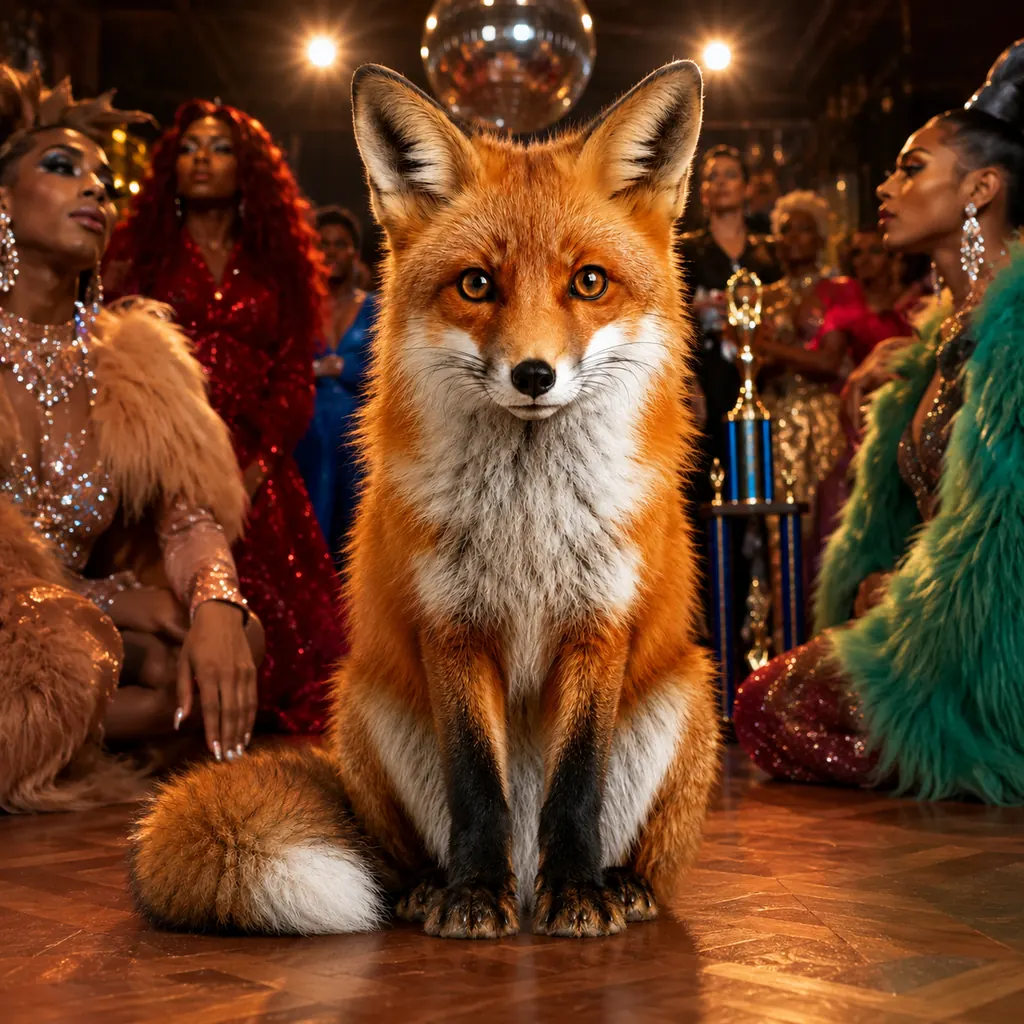
AI image prompt
Ballroom Culture aesthetic — Categories, houses, trophies, chosen family. Colour palette: Diverse; often bright, bold, and luxurious, reflecting aspirational fashion and glamour. Mood: Family, community, self-expression. Highly detailed, rich colour and texture, evocative mood, high quality.
What it is
Ballroom Culture is a design aesthetic built around categories, houses, trophies, chosen family. The Ballroom Culture palette works in diverse, often bright, bold, and luxurious, 5 core tones in all. As a named look, Ballroom Culture is most associated with the 1960s. Beyond the essentials, the Ballroom Culture look leans on walking, voguing, shade and related details — 10 recurring motifs in all. In feeling, Ballroom Culture reads as family, community, self-expression, aspiration. Ballroom Culture sits within a family of related looks such as Disco, Hip-Hop. Additionally, to recreate Ballroom Culture in an AI image tool using GPT Image or Midjourney, pair diverse and often bright tones with categories and houses, and keep a family mood. For example, Ballroom Culture pairs naturally with Disco and Hip-Hop on a shared mood board.
Motifs
Categories, houses, trophies, chosen family, walking, voguing, shade, reading, fashion as performance, aspirational wealth
Mood & values
Family, community, self-expression, aspiration, survival, defiance, competition, glamour
Related vibes
More vibes every week
Vibeboard is a free visual reference. Bookmark it, and copy a ready-to-use AI image prompt from any vibe.
Browse all vibes →