Photorealism
Photorealism is a design aesthetic defined by reflective surfaces, urban landscapes, portraits, worked in a palette of colors are dictated by the source photograph, aiming for documentary accuracy. Associated with the 1960s, Photorealism leans toward technical virtuosity, objectivity, documentary precision. Related looks include Pop Art, Realism.
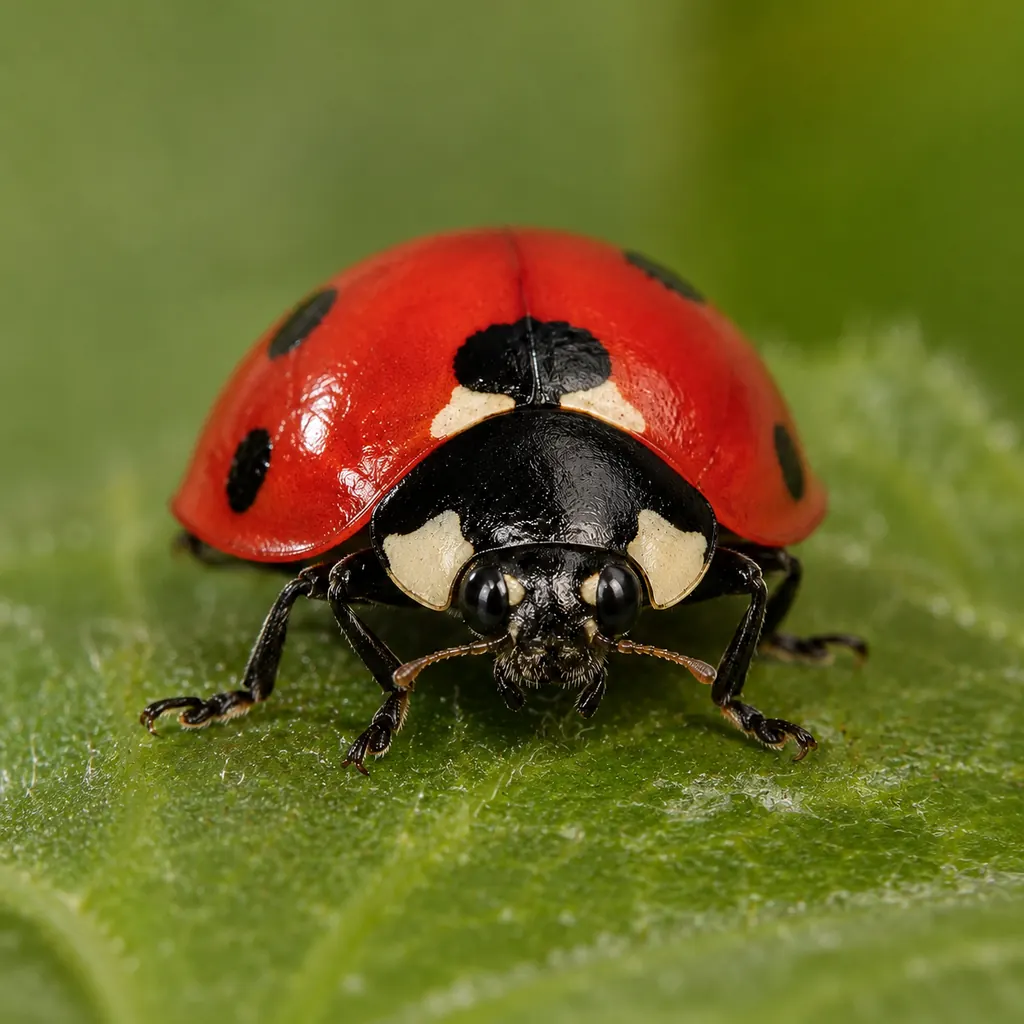
AI image prompt
Photorealism aesthetic — Reflective surfaces, urban landscapes, portraits, still lifes of everyday objects. Colour palette: Colors are dictated by the source photograph, aiming for documentary accuracy. Mood: Technical virtuosity, objectivity, documentary precision. Highly detailed, rich colour and texture, evocative mood, high quality.
What it is
Photorealism is a design aesthetic built around reflective surfaces, urban landscapes, portraits, still lifes of everyday objects. The Photorealism palette works in colors are dictated by the source photograph, aiming for documentary accuracy. As a named look, Photorealism is most associated with the 1960s. Beyond the essentials, the Photorealism look leans on diners, motorcycles and related details — 6 recurring motifs in all. In feeling, Photorealism reads as technical virtuosity, objectivity, documentary precision, rejection of abstraction. Photorealism sits within a family of related looks such as Pop Art, Realism. Additionally, to recreate Photorealism in an AI image tool using GPT Image or Midjourney, pair colors are dictated by the source photograph and aiming for documentary accuracy tones with reflective surfaces and urban landscapes, and keep a technical virtuosity mood. For example, Photorealism pairs naturally with Pop Art and Realism on a shared mood board.
Motifs
Reflective surfaces, urban landscapes, portraits, still lifes of everyday objects, diners, motorcycles
Mood & values
Technical virtuosity, objectivity, documentary precision, rejection of abstraction, interest in the nature of vision and photography
Related vibes
More vibes every week
Vibeboard is a free visual reference. Bookmark it, and copy a ready-to-use AI image prompt from any vibe.
Browse all vibes →